RU
RU  PL
PL  SR
SR  EN
EN Over the past few уears, enormous changes have taken place in the translation business. On the one hand, machine translation has improved to such an extent that the results of its work often require minimal or no correction. On the other hand, quality requirements for texts have dropped significantly: stylistic and logical errors no longer cause categorical rejection. As a result, today in most cases written translations are made using artificial intelligence.
So what is left for humans to do for now:
- review and edit — after all, machines still cannot be trusted completely
- translate what cannot be automatically recognized: complex tables or old manuscripts, for example
- convey the meaning of especially intricate and vivid expressions — in games, films, and fiction
- perform simultaneous or consecutive interpretation during important negotiations
A good translator can be extremely helpful in business communication: offering advice, explaining intonations, commenting based on personal experience, correcting mistakes or slips of the tongue, softening phrasing, and so on. Recalling a classic example:
I shouted: ”Comrades, you want me to act?”
My robot with lamps and antennas,
Translating my question, was so exact,
That I felt ashamed of my manners
A good translator knows very well what is happening in the country they work with. They can share a lot of very useful information — for example, that a new law has just been adopted. They can also help establish communication, find common ground, and create a relaxed and constructive atmosphere, so that situations like this, for example, do not occur:
Russian and Polish are my two native languages. That is why I can translate to them very effectively, taking into account all the nuances and aspects of life in both countries. Although I do not have a formal degree in philology, for my own enjoyment I attended classes at various universities. I am also confident that many years of professional experience — including organizing and conducting expeditions, various research projects, numerous business initiatives, and the translation of documents, articles, and books — did not come out of nowhere and fully compensate for the lack of formal qualifications.
I can also work in English, Serbian, Bulgarian, Belarusian, and Ukrainian language environments, performing various tasks such as sourcing for clients and suppliers, research, collecting and presenting information, and analyzing publications and other content.
I have extensive experience translating websites, web and mobile applications. I can translate directly in the code or in CMS administration panels, preserving code integrity and working with version control tools such as GitHub.
I enjoy conducting genealogical research, studying, translating, and commenting on historical documents.
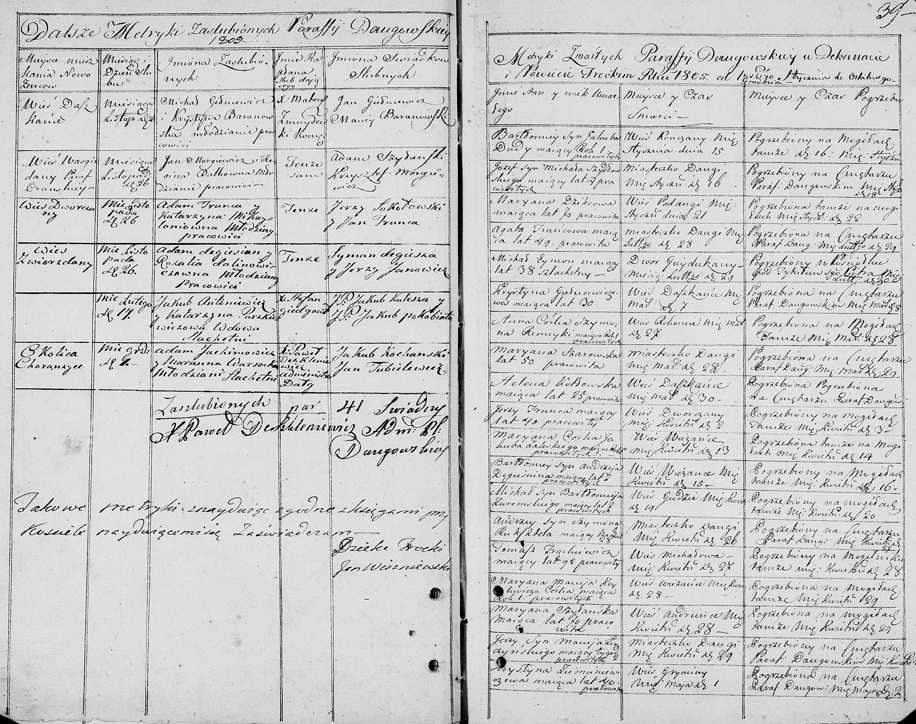
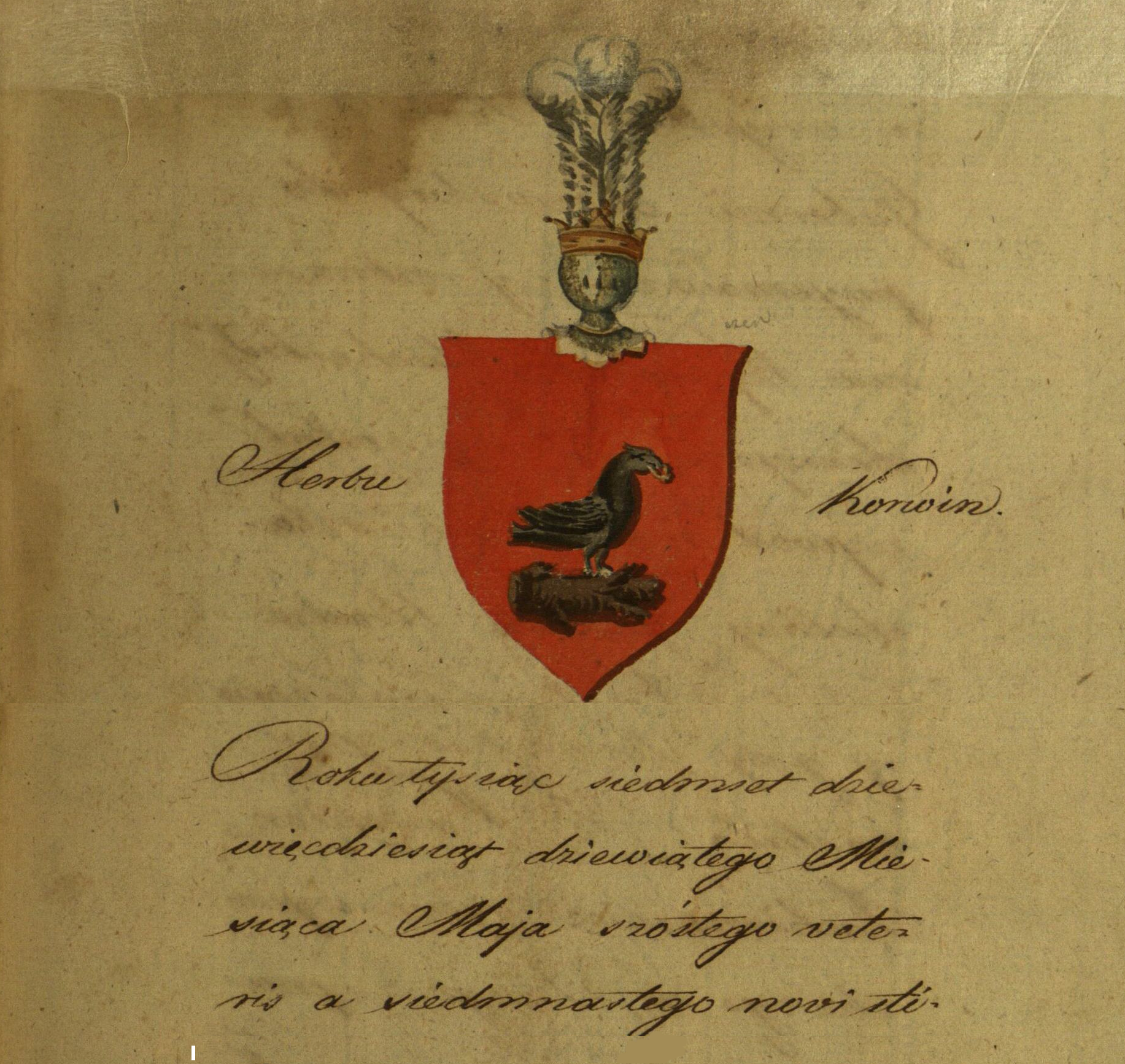
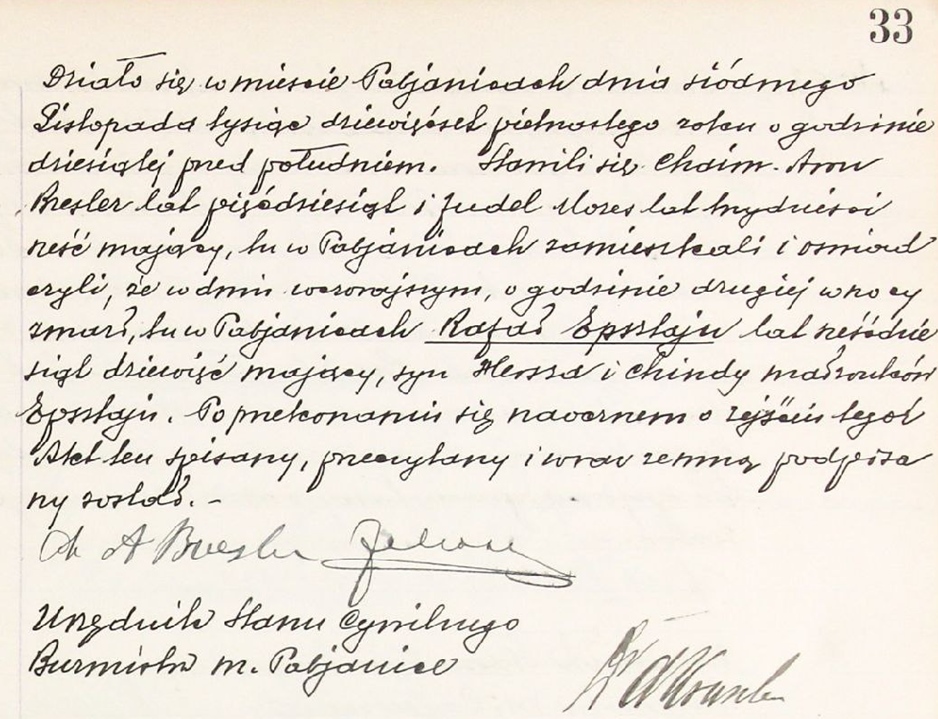
I not only translate, but also create marketing content in multiple languages myself — including for websites, marketplaces, Linkedin, and more.